
No products in the cart.






Uncategorized
Mafia Casino’s Menu Logic Examined by New Zealand UX Enthusiast

A UX design enthusiast from Aotearoa loaded up Mafia Casino’s website with a particular goal https://mafiaa-casino.com/en-nz/. They wanted to pick apart the site architecture of the casino’s menu. This menu serves as a portal to the whole gaming experience, but players hardly ever stop to consider it. The analysis focused less on looks and more on the structural logic driving it. How does the data hierarchy work? Is the navigation user-friendly? What nuanced cues are engineered to encourage people playing? For New Zealand users who prefer clean design and simple sites, does this menu help or or obstruct? The results demonstrate a system carefully built to constructed to juggle legal requirements with the appeal of something thrilling.
The First Impression: Landing Page Navigation Analysis
Everything starts with load time and visual hierarchy. Mafia Casino’s menu, typically fixed at the top of the page, presents a short list of impactful options. The analyst saw how contrast and spacing were employed cleverly. Core actions like ‘Login’ and ‘Join Now’ were prominent clearly, observing web conventions Kiwi users know well. The main navigation bar avoids to cram in too much. It groups essential categories like Casino, Live Casino, and Promotions in a logical line from left to right. This instant clarity matters. In a competitive market, users determine in seconds whether to stay or leave. The analyst also noted that no pop-ups blocked the view on arrival. The menu itself was positioned to guide the visitor.
Visual Cues and Thematic Consistency
You can see the ‘Mafia’ theme in the menu’s fonts and icons, but it doesn’t get in the way. The icons are clean and easy to understand, which helps with quick scanning. The color scheme uses high-contrast for clickable items. This fulfills basic accessibility standards while preserving the brand’s unique feel. Achieving this balance right is tricky. Many themed platforms let the theme to ruin the navigation, but here it doesn’t.
User-Centric Logic: Guiding the Player’s the Player’s Journey
An effective menu foresees needs that aren’t just about playing games. The analysis found thoughtful additions like easy-to-find ‘Help’ or ‘Support’ links, often in the main menu or a utility section. For the New Zealand market, responsible gambling tools are a legal must and a trust signal. Links to set deposit limits, self-exclusion options, and organizations like the Problem Gambling Foundation were integrated appropriately. They were visible without being jarring. This approach creates a menu that supports the entire user journey, from casual exploration to mindful control. It builds a feeling of safety and credibility over the long term.
Menu Adaptation for Mobile: Thumbs-Up or Thumbs-Down?
Gaming on mobile is huge in New Zealand, so the test on small screens is critical. The conversion into a hamburger menu pleased the analyst. This drawer maintained the same core pathways but made the touch targets larger for thumb navigation. Important actions like funding and cashing out remained easy to find. Sometimes they were even repeated in a bar that sticks to the bottom of the screen. This mobile-first mindset means the menu logic is consistent everywhere. It functions whether you’re on a desktop in Auckland or using a smartphone on a road trip in the South Island.
Gesture Controls and Interactive Feedback
The mobile menu’s interactive features goes further. You can flick to close panels, and taps give immediate visual feedback, like a color change. This adaptive design mimics using a native app, which reduces the learning curve for Kiwi users. They demand that kind of fluidity in their mobile browsers. The menu also performed decently under different network speeds, with very little lag when opening or closing.
The Lookup and Filter Framework In the Menu
A contemporary menu goes beyond display static links. It contains dynamic tools. The analyst assessed the embedded search function, frequently found right in the header. It reacted favorably to either exact game titles and broad terms like ‘blackjack’. Next come the filter options. Once you click into a game category, you can sort by software provider like NetEnt or Pragmatic Play, or by attributes like Megaways. These filters act as an adjunct of the main menu. This stratified method gives users authority. They can browse broadly or narrow things down, which minimizes frustration and can promote longer playing sessions.
Main Routes: Discovering Games and Bonuses
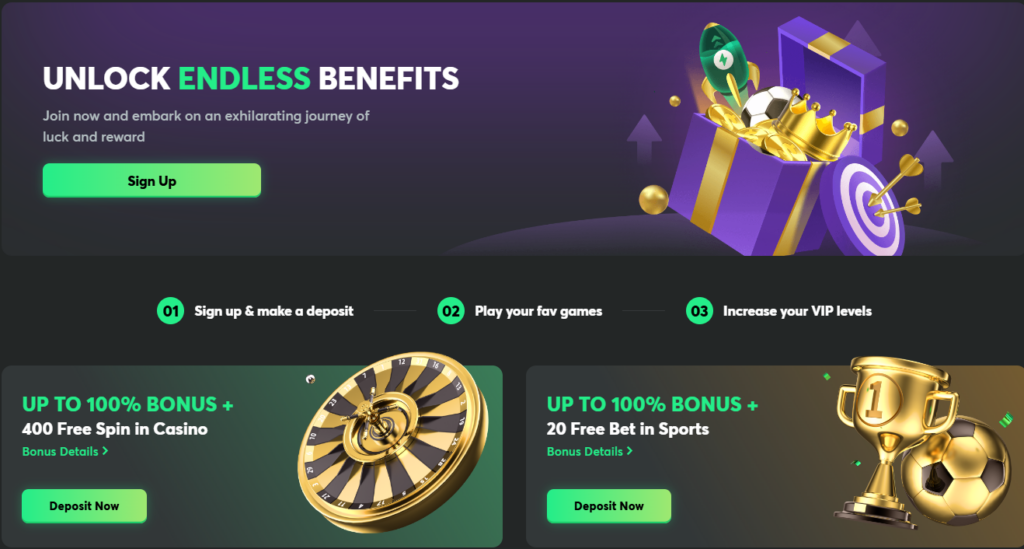
Most New Zealand players visit to locate games or obtain bonuses. The menu logic manages this efficiently with a tiered approach. Moving the cursor over ‘Casino’ often opens a large mega-menu. This menu organizes games into categories like ‘Slots’, ‘Table Games’, and ‘Jackpots’. As a result, you might not need a separate search page right away. The analyst highlighted the clever placement of ‘Promotions’ as a permanent, high-profile menu item. This direct access is logical. Bonuses are crucial for attracting and holding onto players. Kiwis can explore the offers instantly instead of hunting for links in the website footer.
Mental Immersion and Engagement Hooks
Site menus can direct attention and behavior. The observer spotted some subtle tactics. ‘Latest Releases’ or ‘Highlighted’ areas were positioned tactically within drop-down menus to showcase new content. Time-limited promotion graphics appeared near menu entries to create
Standing Out in the New Zealand Market

Measured against other casinos in New Zealand, Mafia Casino’s menu logic stands out because of its clarity structure and thematic cohesion. Many rival sites appear overwhelmingly dense. This platform demonstrates restraint. The analyst noted that it doesn’t hide live dealer games or promotional terms in hard-to-find places. Its structure seems less like a static site map and more like an interactive guide. It efficiently channels users toward their likely goals while still enabling for happy accidents. Achieving this balance between guidance and freedom is a major plus in a crowded online space.
The UX enthusiast’s study shows Mafia Casino’s menu is a meticulously engineered piece of the site. It’s much more than a simple list of links. It adeptly combines the brand’s thematic identity with a functional and intuitive design made for practical Kiwi players who are often on their phones. By concentrating on clear pathways, smooth adaptation across devices, and helpful support resources, the platform’s navigation establishes a strong foundation. The resulting user experience is immersive but also built with responsibility in mind. It shows that good design might be the best house advantage of all.
